A small change to one question on this year’s Census is worth noticing.
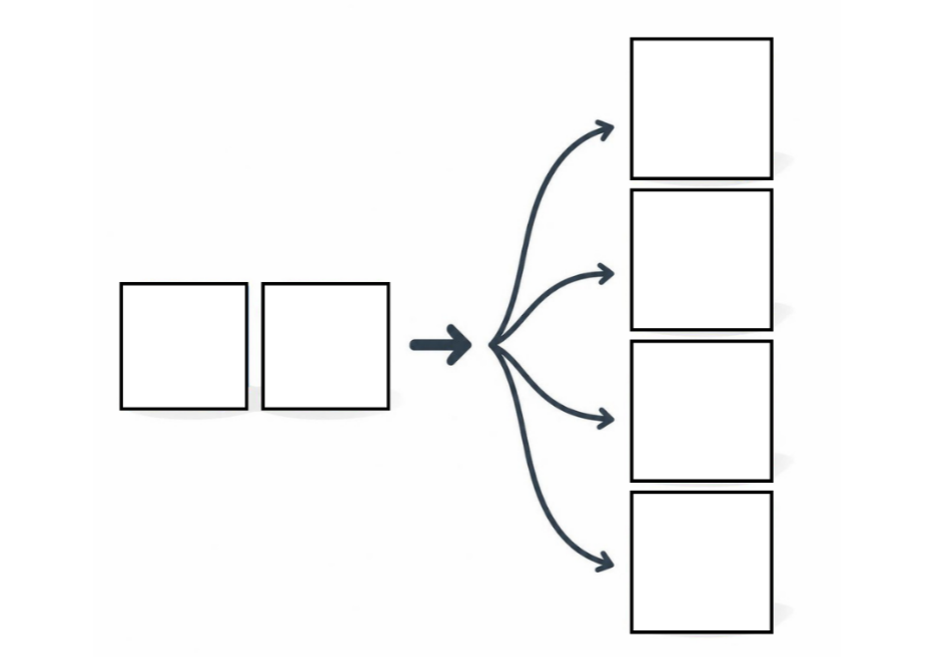
Until now, Australians could record two ancestries. In the 2026 Census, held on Tuesday 11 August, that number increased to four — a change the Australian Bureau of Statistics made to better reflect the increasingly varied backgrounds of Australians.
It sounds like a technical adjustment. For a great many families in Western Australia, it is not.
Why Two Was Never Enough
Consider a household with Chinese heritage by way of Malaysia, an Australian-born generation, and a marriage that brought another culture into the family. Under the old form, that family had to choose. Two boxes meant deciding which parts of a heritage to record and which to leave out.
Four boxes mean most of that story now fits.
The Australian Bureau of Statistics arrived at the change after a review that drew on more than a thousand pieces of public feedback and extensive community testing. Where a person identifies with more than four ancestries, they are asked to record the four with which they most closely identify. For those unsure how to answer, the Bureau suggests considering the ethnic or cultural origins of parents and grandparents.
Why This Matters Beyond the Personal
Ancestry data does practical work. It helps governments, service providers and businesses understand the communities they serve — informing where translated services are needed, how community programs are designed, and how aged care providers deliver culturally appropriate care.
The more precisely people can describe their heritage, the more useful that picture becomes. A record that forces a family to simplify itself produces data that is accurate but incomplete, and decisions made from it inherit the same gap.
Perth’s Chinese Communities Are Not One Audience
The change also reflects something we encounter constantly in our work.
Perth’s Chinese-heritage communities are frequently discussed as a single group. In practice, they are many. Families with roots in mainland China, Hong Kong, Taiwan, Malaysia, Singapore and Indonesia each bring their own languages and dialects, their own migration histories, their own food and festivals — and often their own community organisations and events.
It is not unusual for two communities in Perth to mark the same occasion within days of each other, in different suburbs and different languages, with neither aware the other gathering is taking place.
A single line on a chart cannot show that. A more detailed ancestry record moves a little closer.
What This Means for Planning Ahead
The first results from the 2026 Census are expected from mid-2027, with further releases continuing into 2028.
For any organisation whose audience planning currently rests on 2021 ancestry data, it is worth anticipating that the new figures may look different — not because the communities themselves have changed, but because people can finally describe them in full.
That is a shift worth planning for rather than reacting to.
Know a Story Worth Sharing?
We welcome story ideas from individuals, businesses, community groups and organisations.
Perhaps you know an inspiring person whose contribution deserves greater recognition, a multicultural community story that has not yet been told, or an experience that could help others better understand a different culture, identity or way of life.
We would love to hear from you.
Share your story with Lucia Chen: lucia.chen@sensorymedia.com.au
Together, we can give meaningful stories a wider voice—and help build a more inclusive, connected and harmonious Western Australia.